Modular & Offsite / MAGNUM INSIGHTS · 4 MIN READ
Modular Construction: From Design to Offsite Production and Onsite Assembly
Modular construction is a method of organising design and production, not a single type of finished building. Its potential depends on early decisions, precisely managed interfaces and a delivery plan that works from factory to site.
- 01DESIGN / DfMA
- 02ENGINEERING
- 03PRODUCTION
- 04QA / QC
- 05LOGISTICS
- 06ASSEMBLY
Define the scope early
The first decision is which elements should be made offsite and which remain site-built. A fully volumetric module, a panelised wall and a prefabricated service assembly impose different demands on transport, structure and on-site connections. The brief, design criteria, approvals and intended degree of completion must be aligned before the production strategy is fixed.
Design for manufacture and assembly (DfMA) asks how a component can be fabricated, inspected, transported, lifted, connected and eventually maintained. It brings decisions about grids, repetition and access into design rather than postponing them to construction.

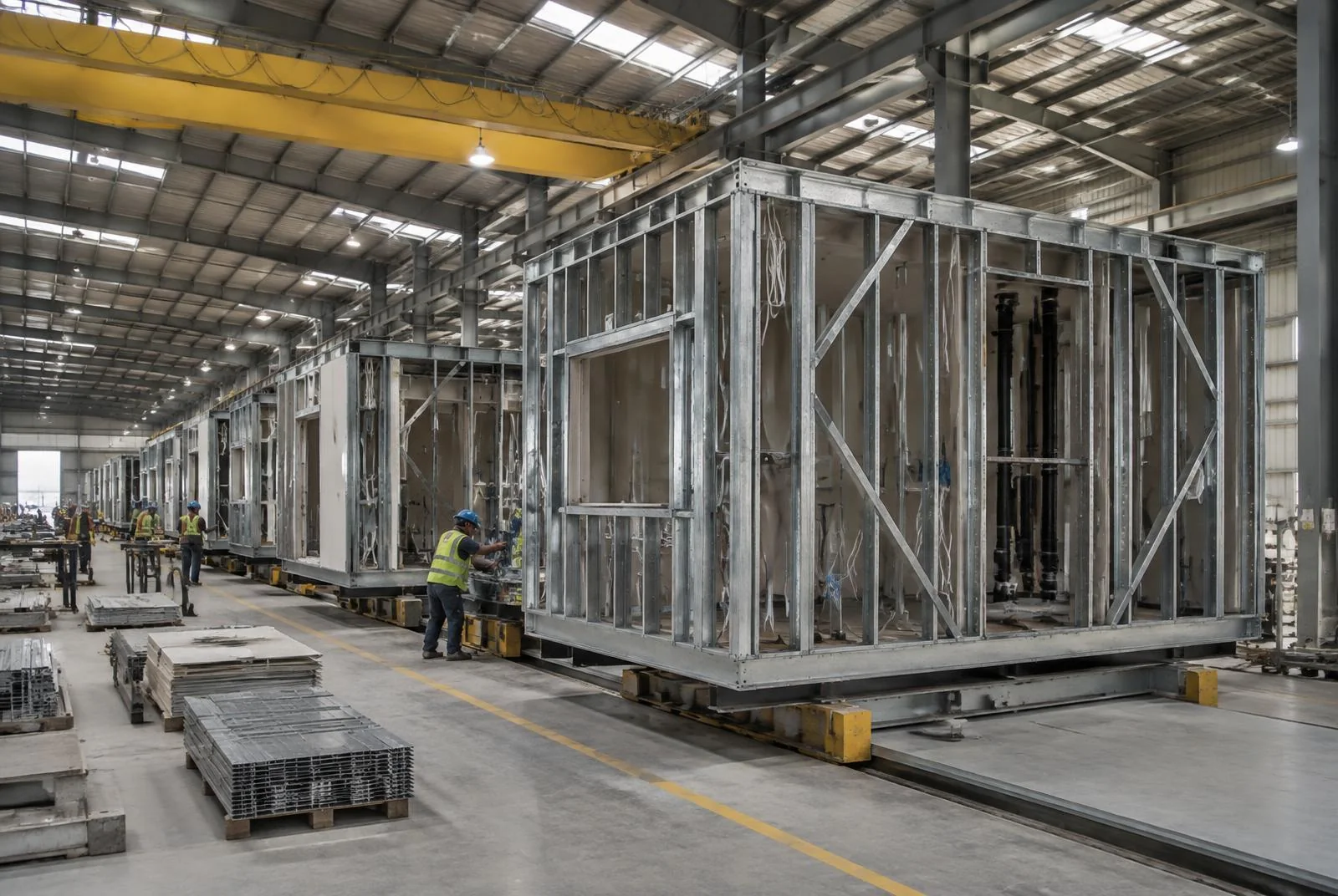
The offsite scope can vary from service racks and panels to room-sized volumetric modules. Each approach changes where work is inspected and where risk is transferred. Selecting an approach should follow the building’s geometry, repetition, access and approvals rather than an assumption that prefabrication is always appropriate.
Engineering and design freeze
Structure, building services, fire strategy, envelope and finishes meet at module boundaries. Connection locations, allowable tolerances, temporary stability and access for testing must be coordinated with the site works. A design freeze gives production a controlled basis; changes after fabrication starts can affect more than one module and its matching interfaces.
Approvals should cover both the final building and the proposed method of delivery. Reviewing transportable size and weight, lifting points, protection and route constraints early avoids designing an element that cannot be delivered as drawn.
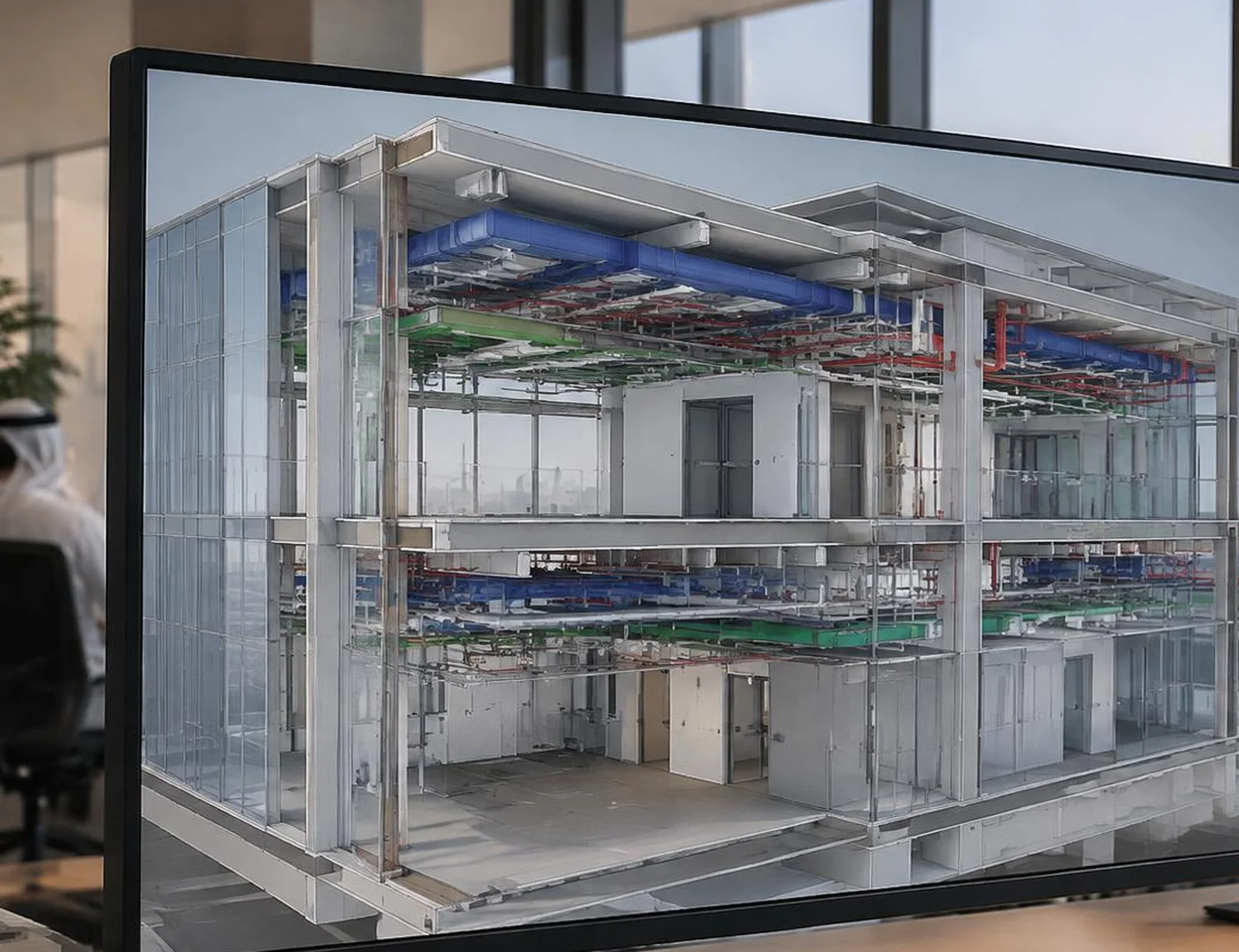
An interface register can track the information needed by both factory and site: setting-out, connection points, service loads and protection during transit. Ownership of each decision should be explicit before production drawings are released.
Production and quality control
Offsite fabrication provides a controlled setting for repeatable processes, material handling and staged inspection. Dimensional checks, connection verification, enclosure work and service testing can be planned before components leave the facility. Factory conditions can support predictability, but inspection remains necessary: a hidden defect becomes harder to correct once a module is installed.
Where approvals and site conditions permit, foundations and utilities can progress while fabrication is under way. This parallelism can improve schedule efficiency; it does not remove the need to align the factory release date with a genuinely ready site.
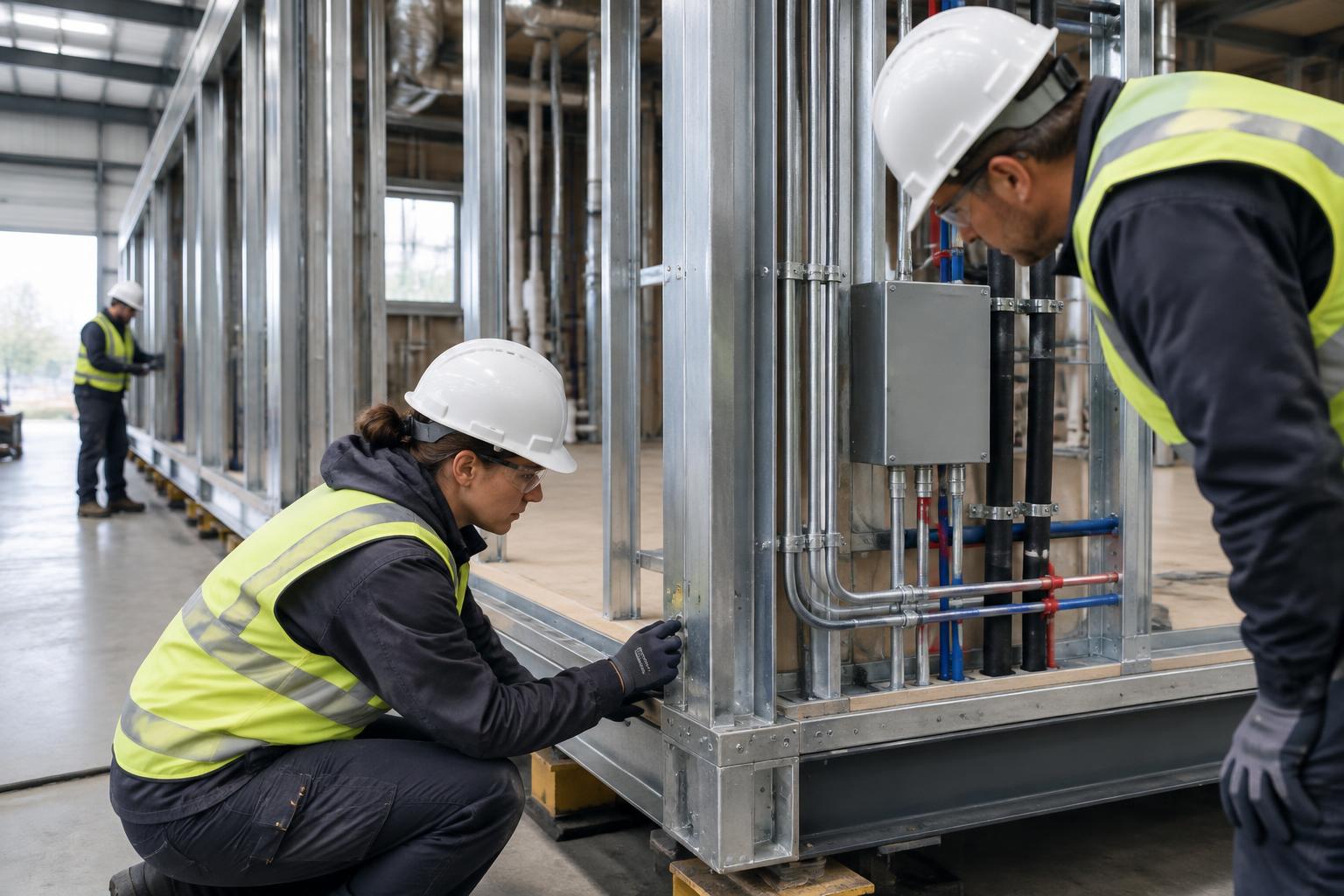
Quality checks should include not only what a unit contains, but what must remain accessible at assembly. A factory test may verify an internal circuit, while connections between units still need site testing. Documentation should make that distinction clear.
Logistics from factory to foundation
The transport route, legal clearance, loading method, temporary bracing, weather protection and unloading sequence are part of the production plan. Crane capacity, working radius, ground bearing, access windows and installation order must be tested against actual site constraints. A feasible factory product is not necessarily a feasible delivery package.
Tolerances accumulate across foundations, modules, connectors and finishes. Survey control and a clear interface responsibility matrix help teams decide who measures, accepts and corrects each boundary before lifting starts.
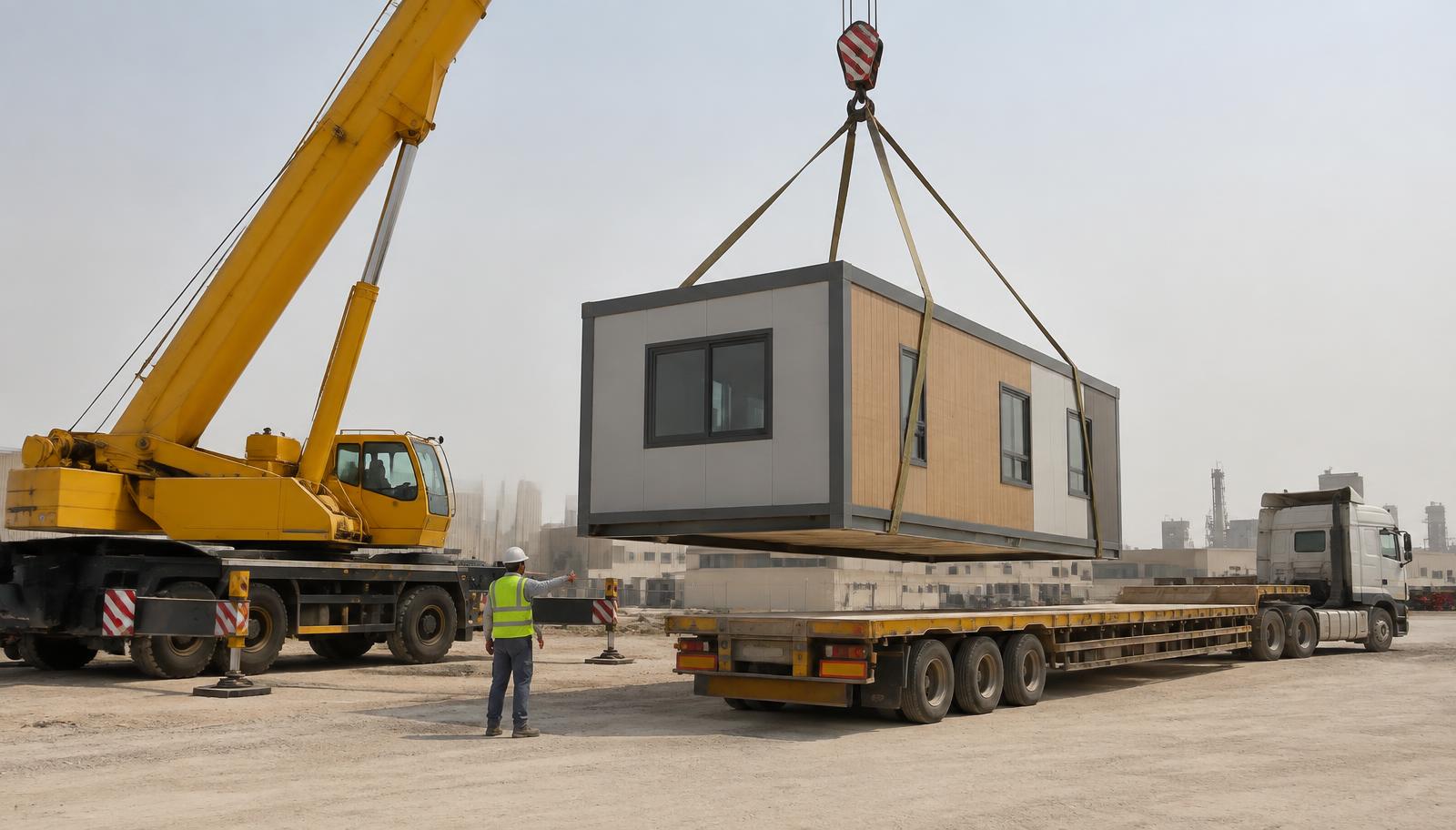
Delivery planning also needs a fallback for delays or unsuitable weather. Storage space and protection can become critical if modules arrive before the site can receive them. The sequence should be resilient enough to manage this dependency without compromising installed work.
Assembly, integration and handover
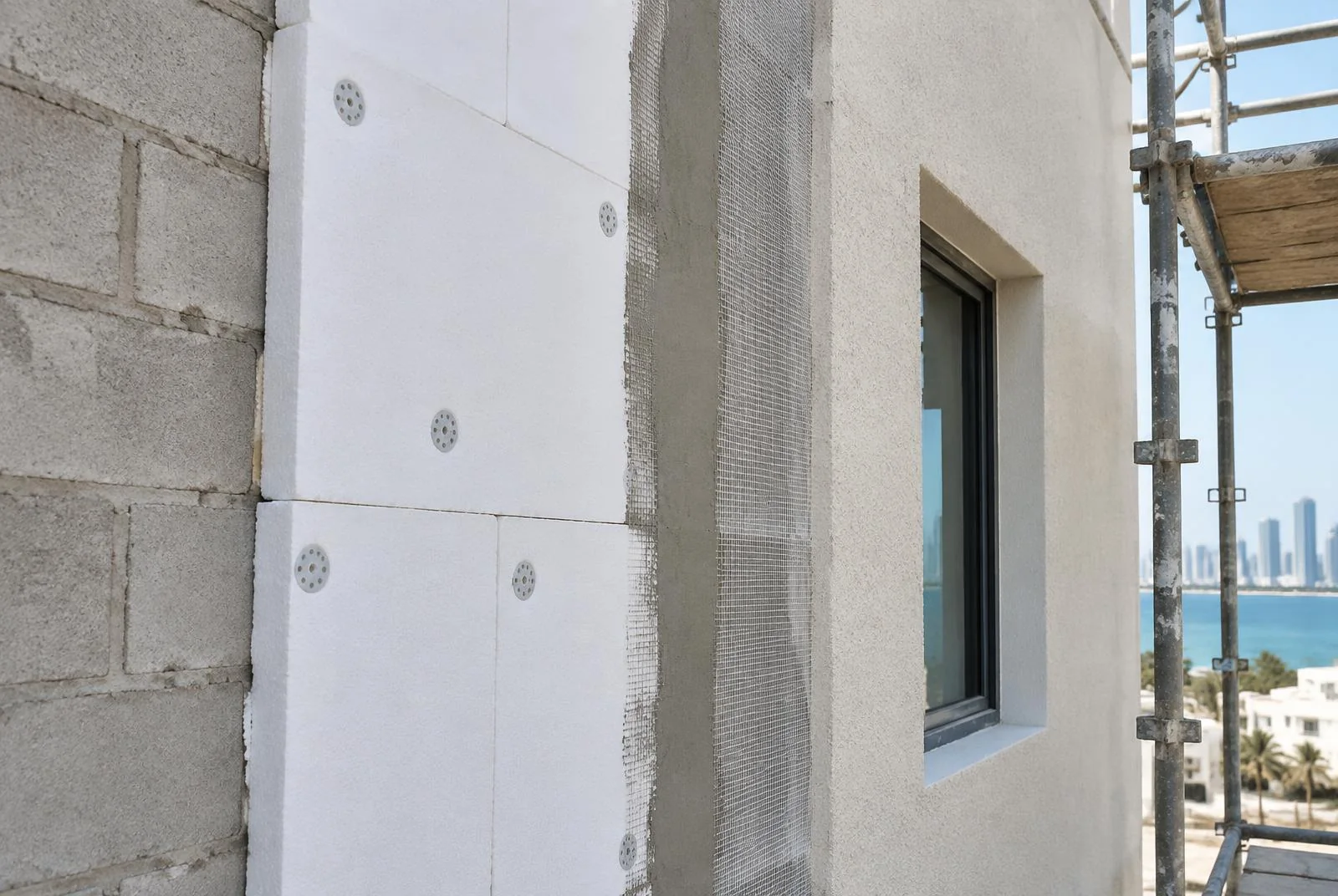
On site, modules are placed, structurally connected and linked to power, water, drainage, ventilation and other services as required. Envelope closures and joints must address movement, moisture, acoustics and fire as specified. Inspecting the boundary between factory work and site work is especially important because responsibility can otherwise fall between teams.
Testing, commissioning, finishing and documentation complete the transition from assembled components to an operational building. Reduced on-site work may lessen disruption in some settings, but results depend on the selected system, access, sequencing and conditions. Turnkey completion is an outcome of coordinated interfaces, not simply delivery of modules.
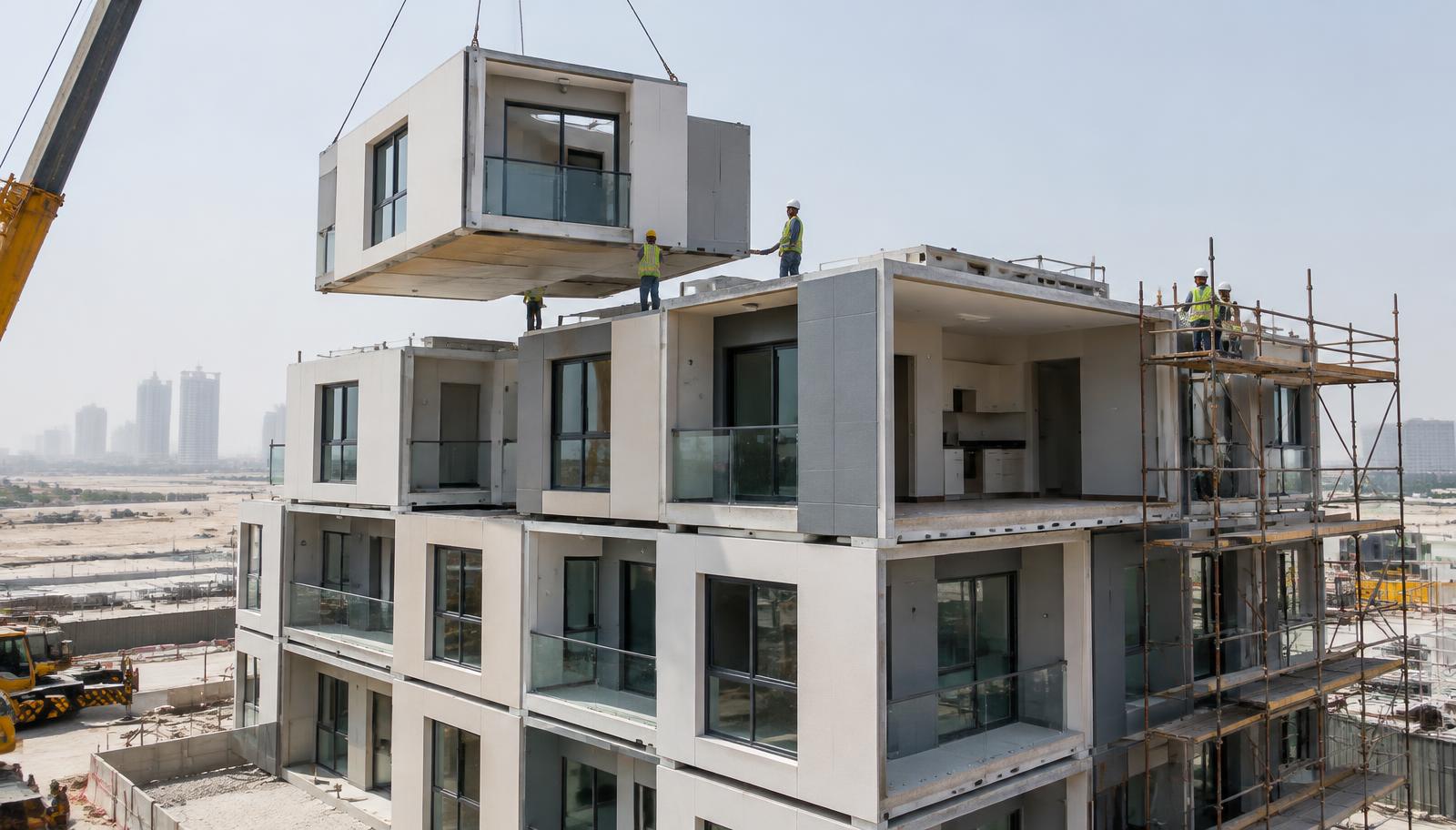
Final verification spans structural connections, service continuity, enclosure joints and operational performance according to the approved testing plan. The factory-site boundary deserves its own inspection record because it combines work from two environments and often several trades.
KEY TAKEAWAYS
- 01
Choose the offsite scope and resolve approvals before design freeze.
- 02
Design the transport, lifting and site interfaces as carefully as the modules themselves.
- 03
Parallel work and controlled production offer potential benefits, not automatic savings.