Design + Engineering / MAGNUM INSIGHTS · 4 MIN READ
Qatar & Iraq: Designing for Place, Climate and Culture
Regional design requires attention to specific sites and people, not a single visual formula for two distinct contexts.
Two contexts, many places
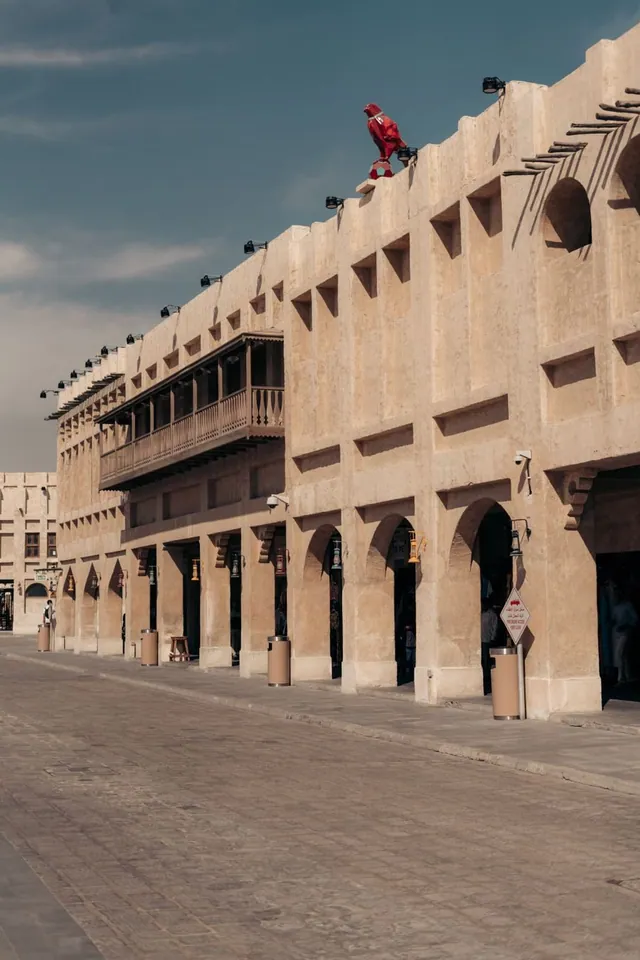
Qatar and Iraq contain varied urban conditions, histories and patterns of use. A project brief should describe its immediate neighbours, users and programme before turning regional identity into form. An airport district, waterfront and neighbourhood street do not ask the same questions.
Site walks and conversations with local stakeholders can reveal routines not visible on a survey drawing. This is a starting point for design, not a claim that a single precedent represents an entire country.
Climate as a brief
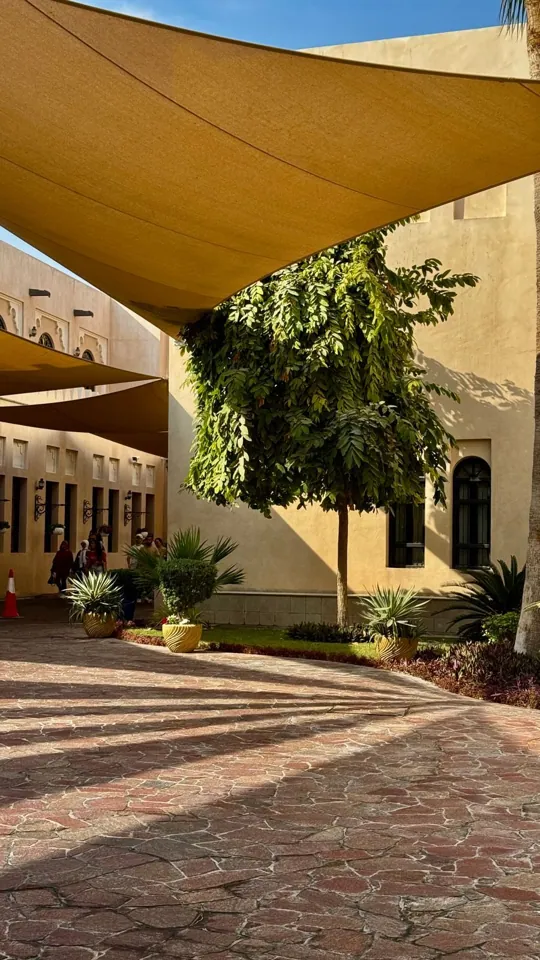
Solar exposure, dust, rainfall, seasonal temperature and the availability of shade influence thresholds and envelopes. Responses must reflect the precise site and building use. Deep recesses or covered approaches may be useful, but their value should be tested rather than assumed.
Mechanical and environmental systems should be coordinated with architecture from the outset. A climate-sensitive concept that cannot be maintained or operated as intended is incomplete.
Culture through use
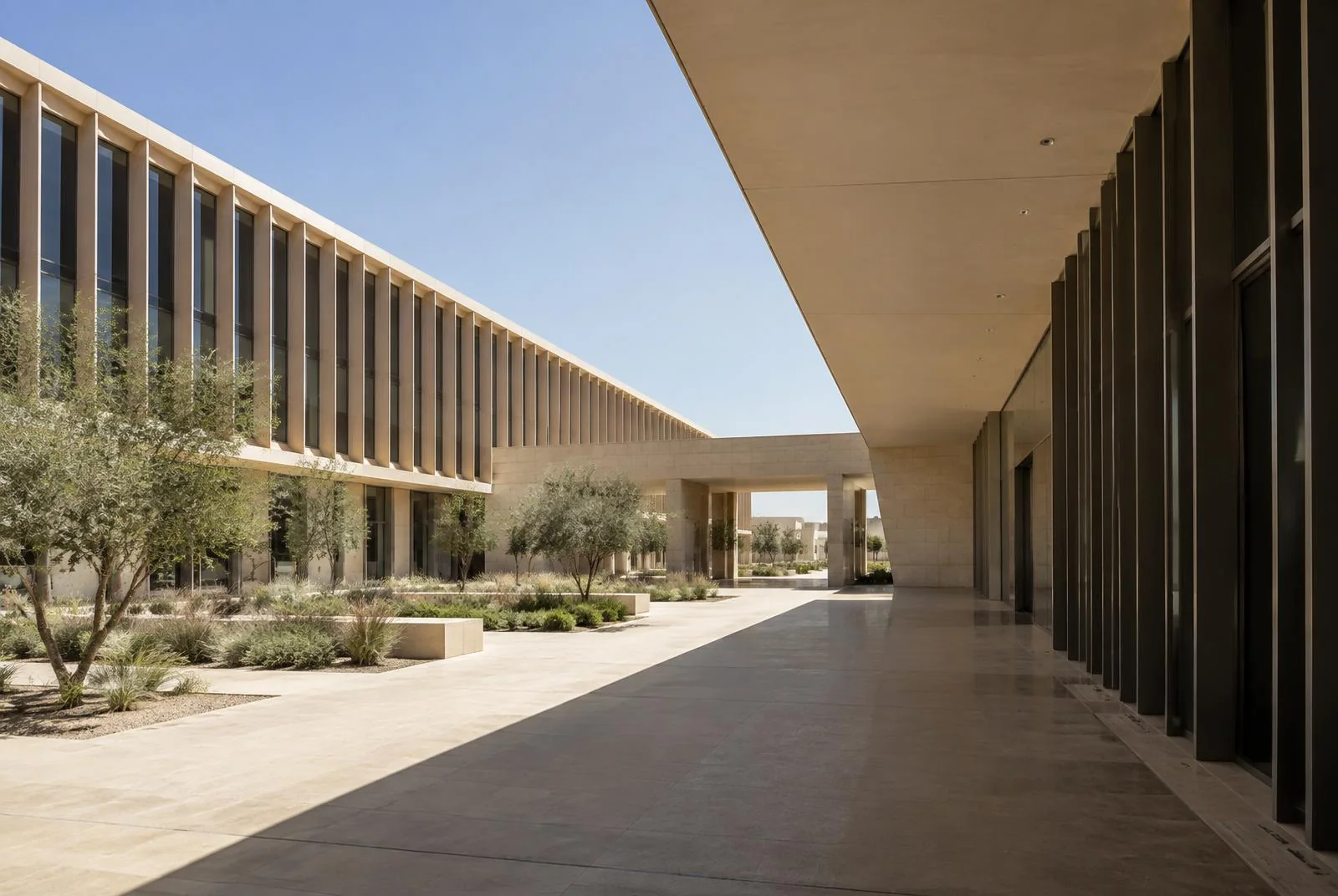
Patterns of hospitality, privacy, gathering and work can shape spatial relationships more meaningfully than decorative quotation. Ask who uses a space, at what time and with whom, then translate those answers into sequences, thresholds and room proportions.
Cultural practices are not identical for every household or institution. The specific client and community brief should guide choices while leaving room for diverse ways of inhabiting a place.
Buildable local intelligence
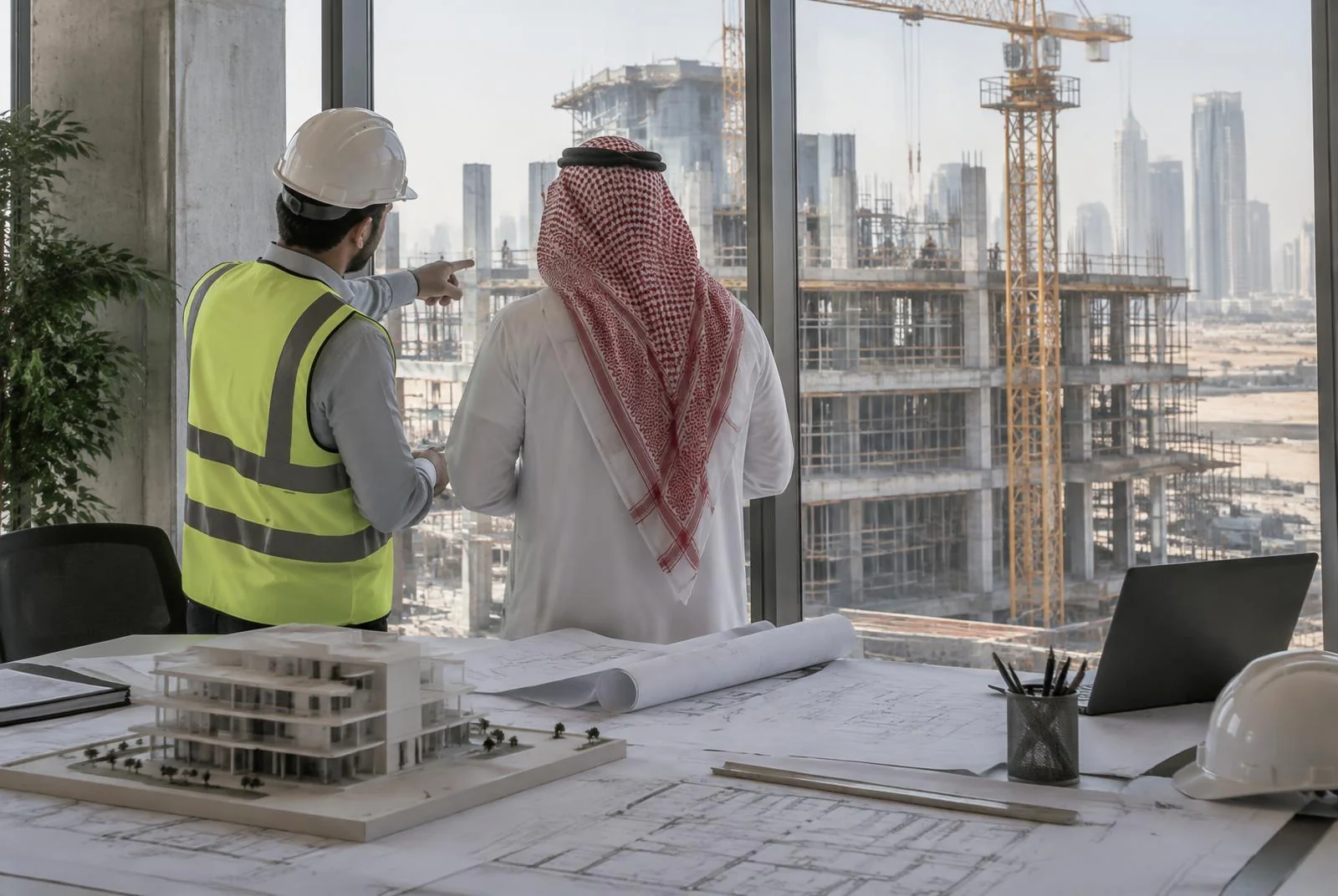
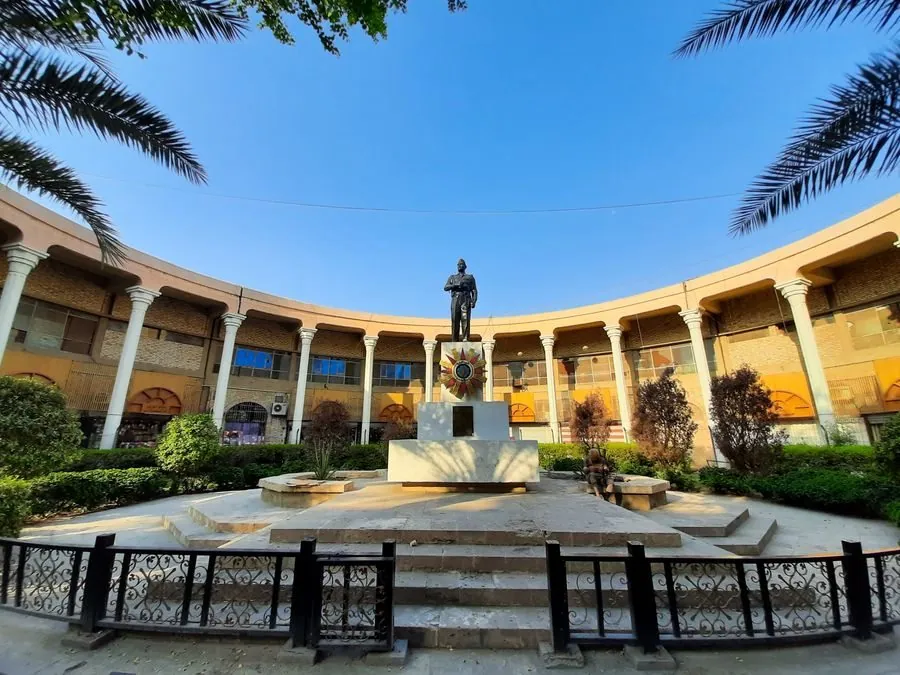
Material sourcing, available skills, approvals and maintenance capabilities influence what can be delivered responsibly. Design ambition and construction planning should exchange information early so that significant details remain viable through procurement and installation.
Good regional work is not proved by a skyline photograph. It emerges from a documented response to the particular site, its users and its operating life.
KEY TAKEAWAYS
- 01
Begin with the actual site and community.
- 02
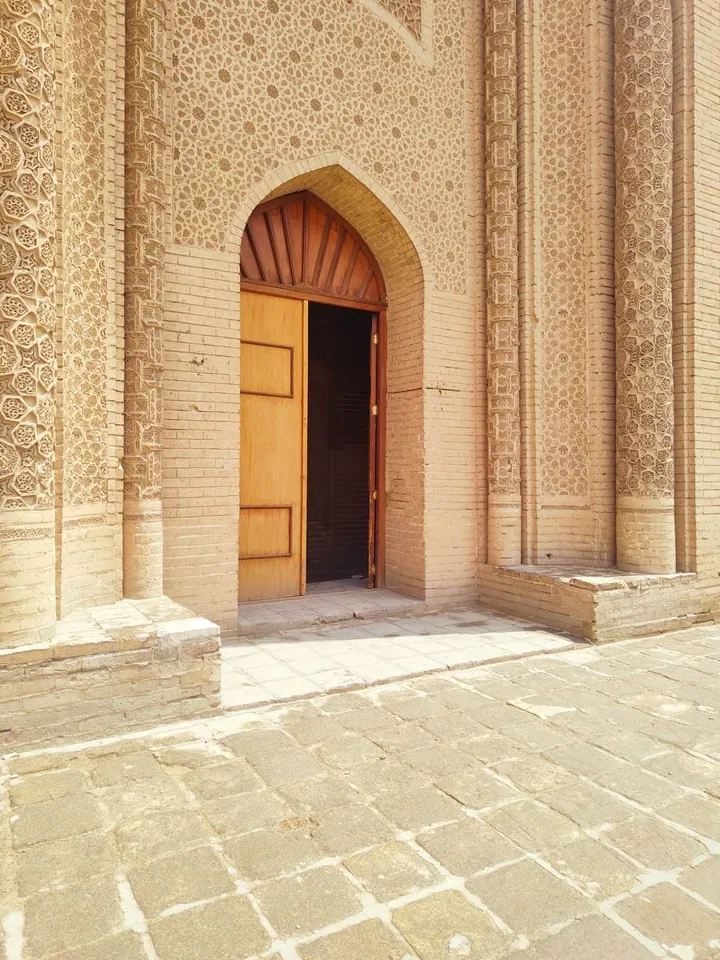
Treat culture and climate as design questions, not motifs.